iOS 26 the Rise of Liquid Glass
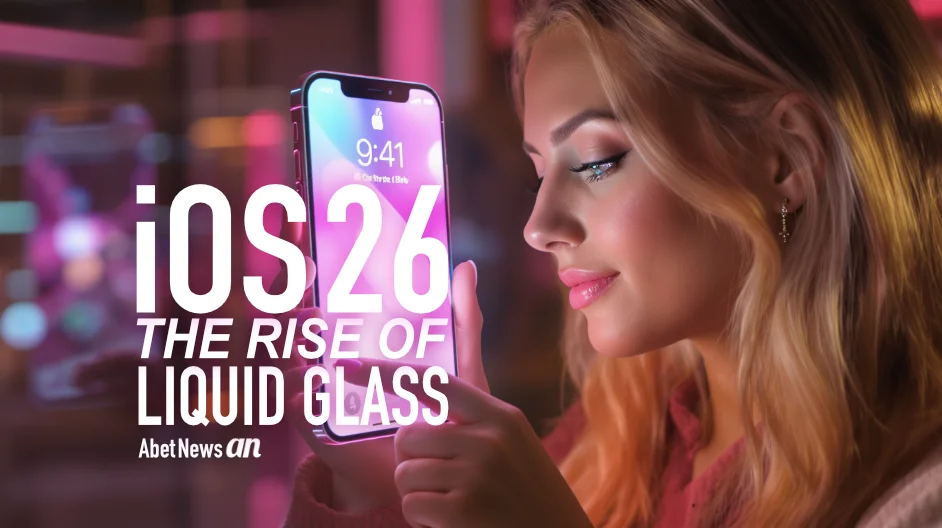
Apple Redefines Mobile UI—Again
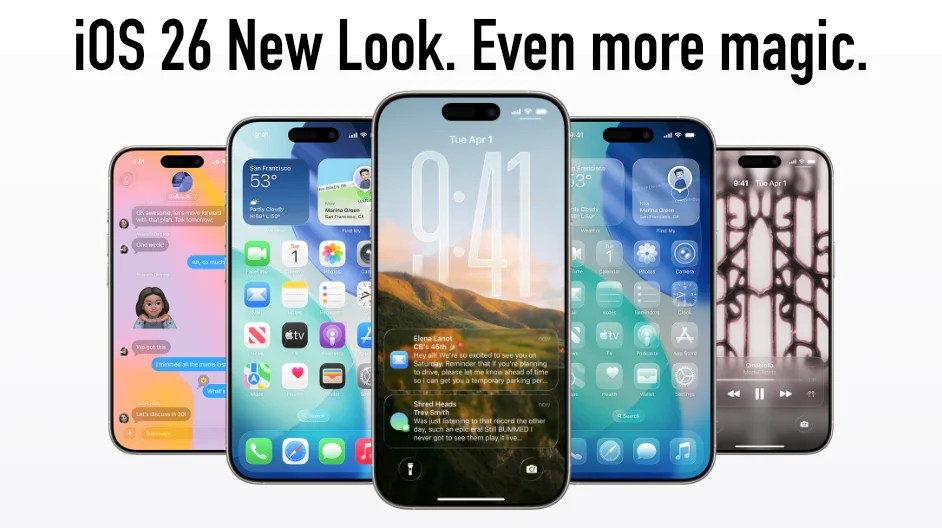
With the unveiling of iOS 26 at WWDC 2025, Apple introduced Liquid Glass — a bold new visual language that marks the biggest design leap since iOS 7. Translucent layers, refraction-inspired motion, spatial wallpapers, and responsive depth effects bring a whole new dimension to iPhones.
More than just a facelift, Liquid Glass reimagines the way users experience their device. Menus shimmer with context-aware transparency. Icons hover with soft blur and glow. The time dynamically shifts size on the lock screen as you scroll. It feels alive — almost as if the OS is breathing with you.
And just like that, Apple has once again raised the bar — forcing the Android ecosystem to take notice.
A New Challenge for Android
Historically, Android OEMs have followed Apple’s major design trends, from notch displays to gesture navigation. With Liquid Glass, Apple may have sparked the next race: who can deliver a cohesive, fluid, and emotionally engaging UI at scale?
Android’s Material You is visually customizable, but few Android manufacturers have delivered the polish and harmony Apple is now offering out of the box. Liquid Glass fuses aesthetic elegance with functional clarity — and it’s built to perform even on older devices.
For the first time in years, Apple’s UI design feels a full generation ahead.

More Than a Pretty Face
Liquid Glass is just the surface. iOS 26 also introduces:
• On-device Apple Intelligence for live translation, smart replies, and AI image generation
• AirPods gestures for camera control and sleep awareness
• Hold Assist and Call Screening in the Phone app
• Enhanced battery insights, adaptive power mode, and custom lock screens
Combined, these features create a future-ready iOS experience — smart, stylish, and deeply responsive.
Design isn’t just about looks — it’s about feel. With Liquid Glass, Apple hasn’t just made iOS prettier. It’s made it more intuitive, more immersive, and more emotionally resonant.
Android will undoubtedly respond. But for now, Apple is back in the design driver’s seat, and iOS 26 is the roadmap.
Amy H.
Abet News | Jun 9, 2025
Related Posts




#AbetNews, #AmyH, #Android, #Apple, #AppleInnovations, #AppleIntelligence, #AppleRedesign, #AppleUpdate, #AppleVsAndroid, #AppleVsGoogle, #Article, #Industry, #IndustryImpact, #iOS, #iOS26, #iOS26Review, #iOSVsAndroidDesign, #iPhone, #iPhoneUpdate2025, #LiquidGlassUI, #MobileUITrends, #Tech, #TechIndustry, #Technology, #WWDC, #WWDC2025, iOS Update
Apple TV+
JMI Construction