HarmonyOS
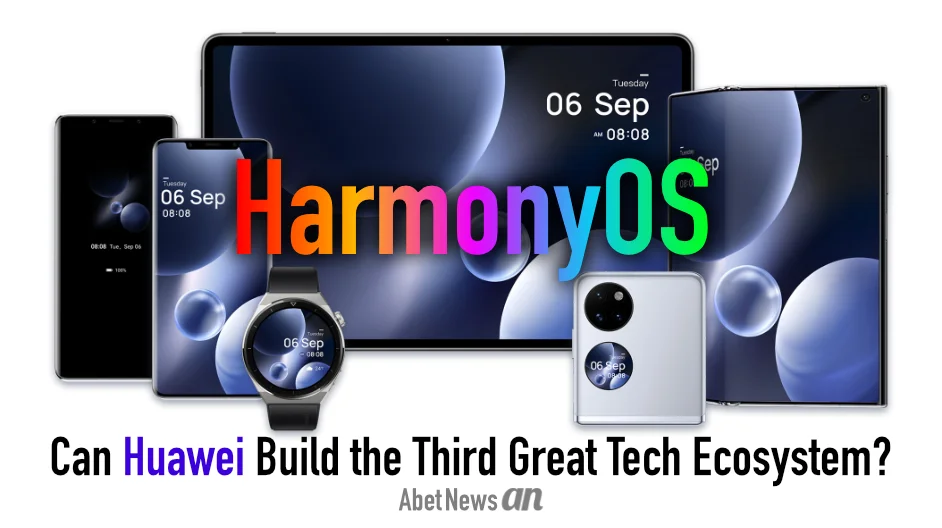
Can Huawei Build the Third Great Tech Ecosystem?
For more than a decade, the operating system landscape has been locked in a duopoly: Apple’s iOS (paired with macOS) and Google’s Android (closely tied to Windows in the desktop space). Attempts by others to break in — BlackBerry 10, Windows Phone, Tizen, Sailfish — never gained meaningful traction.
But Huawei’s HarmonyOS is different. Born out of necessity after U.S. sanctions cut the company off from Google services, HarmonyOS has grown into a full-fledged ecosystem spanning smartphones, wearables, IoT devices, and now desktop computers. With its latest iteration, HarmonyOS NEXT, Huawei has shed its Android underpinnings and is positioning itself as a truly independent operating system — potentially the first credible alternative to Apple and Google in decades.
From Survival Project to Billion-Device Ecosystem
Launched in 2019, HarmonyOS was initially seen as a stopgap — a way for Huawei to keep its hardware viable in the absence of Google Play services. But the company invested heavily in R&D, building a microkernel-based system designed to be more efficient and secure than Linux-based Android.
By 2025, Huawei claims HarmonyOS powers over one billion devices worldwide, with especially strong adoption in China, where it now surpasses iOS in market share. The OS has been rebuilt to run natively without Android app support, a bold move intended to force developers to build directly for Huawei’s ecosystem.
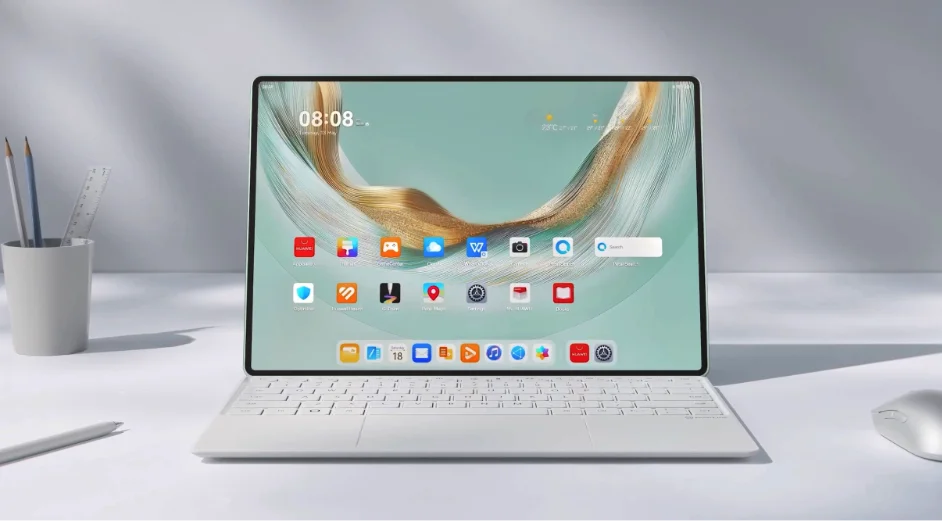
Completing the Circle: HarmonyOS Expands to the Desktop
The most intriguing recent development is Huawei’s push beyond mobile. In May 2025, the company unveiled HarmonyOS NEXT for PCs, completing the circle between mobile and desktop.
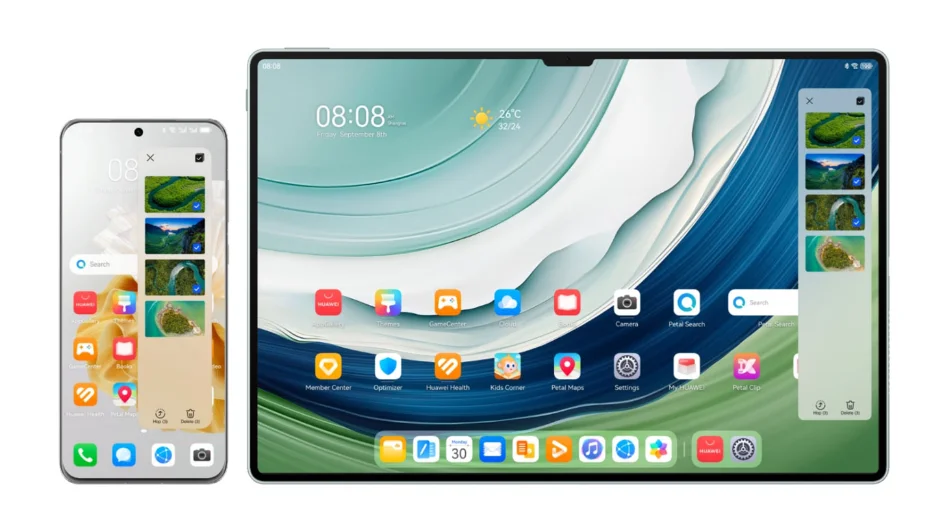
Where Apple has long sought to unify iOS and macOS, and Microsoft has attempted to integrate Windows with mobile devices, Huawei is designing one OS from the ground up to span every device category. A Huawei smartphone, tablet, wearable, smart home hub, and now PC can all run the same core system, sharing data and workloads seamlessly.
For users, that could mean:
• A single ecosystem across all devices, without compatibility compromises.
• Distributed AI features where mobile and desktop hardware collaborate in real time.
• Greater efficiency — Huawei claims HarmonyOS is three times more memory-efficient than Linux, which could have major implications for performance on both phones and computers.
This integration sets HarmonyOS apart from past challengers. Instead of trying to break into mobile alone, Huawei is betting on a holistic ecosystem that ties together every screen in a user’s life.
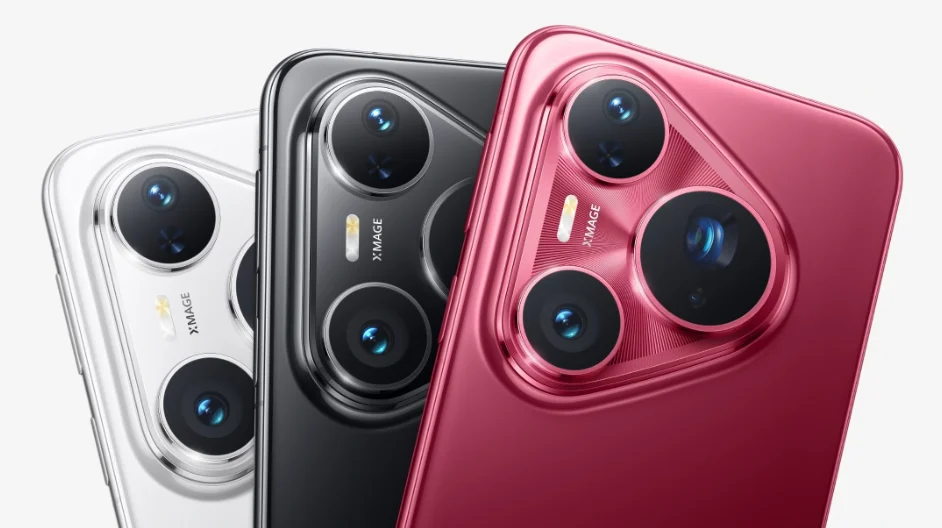
Strengths: Why HarmonyOS Might Succeed
• Massive Domestic Support: With state backing and rising popularity in China, HarmonyOS has a foundation of hundreds of millions of users.
• Hardware–Software Synergy: Like Apple, Huawei controls both ends of the stack, allowing tighter integration.
• AI-First Design: HarmonyOS NEXT embeds AI agents and distributed computing features into the core of the OS, potentially giving it an edge in the coming AI-driven era.
• App Developer Momentum: Huawei is aggressively investing in developer incentives, with over 15,000 native apps already onboard and plans for 100,000+.
Hurdles Ahead
• Global App Gap: Without Google, Facebook, and other Western staples, HarmonyOS faces a steep uphill battle abroad.
• Switching Friction: Convincing users to leave Android or iOS ecosystems is notoriously difficult.
• Geopolitical Barriers: U.S. sanctions and mistrust may limit HarmonyOS’ appeal outside China and allied markets.
HarmonyOS is more than a software project — it’s part of a larger geopolitical and technological split. For China, it represents digital sovereignty: independence from U.S.-controlled platforms. For Huawei, it’s a lifeline and a chance to reshape its identity as not just a hardware giant but a software ecosystem leader.
Globally, its success would mark the first time in decades that the mobile–desktop duopoly has been seriously challenged. Even if HarmonyOS never dominates outside China, its presence as a viable “third ecosystem” could change the balance of power in tech — and push Apple, Google, and Microsoft to innovate faster.

What began as a survival measure has grown into an ambitious attempt to redefine operating systems. By extending HarmonyOS from phones to desktops, Huawei is closing the circle — and signaling its intent to build a unified, end-to-end ecosystem that rivals Apple and Google on a global scale.
Whether HarmonyOS can overcome the app gap and geopolitical barriers remains uncertain. But one thing is clear: it is no longer just an experiment. It is the boldest challenge yet to the dominance of Windows, iOS, and Android — and the first in years with a real chance of reshaping the landscape.
Asamura
Abet News | August 17, 2025
Related Posts


Apple TV+
JMI Construction