From MP3s to Monthly Fees
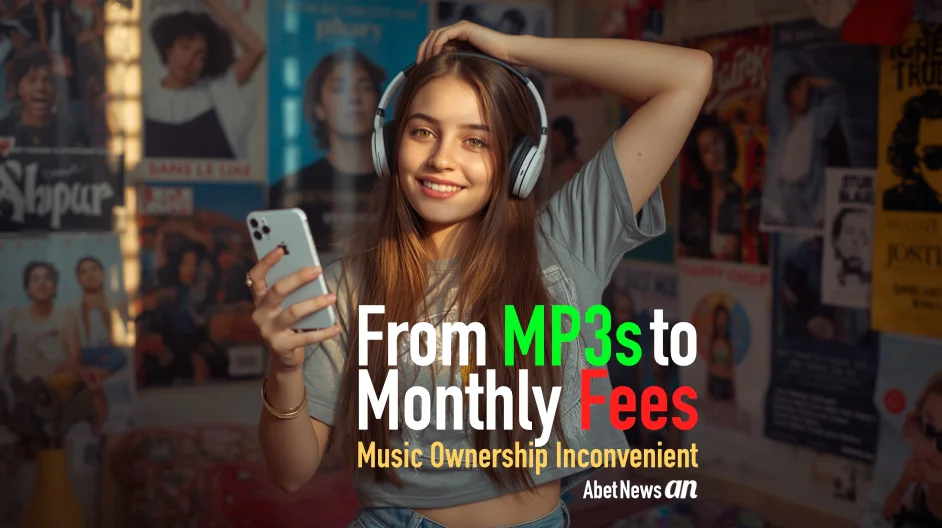
How Apple and Google Made Music Ownership Inconvenient
For two decades, the way we listen to music has been quietly reshaped. What started as a revolution in personal ownership — with MP3s giving listeners full control of their libraries — has gradually turned into an ecosystem of perpetual rental. Apple and Google played a decisive role in this shift, not only by building streaming services, but by systematically making local music ownership less convenient.
The Golden Age of MP3s
In the late 1990s and early 2000s, digital music promised freedom. With a ripped CD or a downloaded MP3, you could build a library that was yours: portable, shareable, and playable across countless devices. Software like Winamp, early iTunes, and third-party players put the user in charge. Independent artists could distribute directly to fans through personal websites, bypassing labels altogether.
The Platform Era Arrives
When Apple launched the iPhone in 2007 and Google rolled out Android in 2008, the game changed. These companies became gatekeepers of not only devices, but also the way people consumed media. Music was no exception.
Slowly, support for personal MP3 files began to shrink. Native music apps pushed users toward cloud sync and eventually toward subscriptions. What once took two clicks — dragging a file into your library — became a frustrating process of conversions, uploads, or third-party apps.
Why the Inconvenience Was By Design
This wasn’t a technical limitation. Smartphones have always been capable of handling MP3 playback. Even today, with iOS’s Files app and Android’s open file system, Apple Music and YouTube Music still don’t embrace local file playback.
The reason is economic.
• Recurring Revenue: Subscriptions mean predictable, long-term cash flow. A $9.99 monthly fee is far more lucrative than a one-time MP3 purchase.
• Ecosystem Lock-in: If your library lives inside Apple Music or YouTube Music, it’s harder to leave for a competitor.
• Label Alignment: Major record labels, still reeling from piracy and falling CD sales, were eager to rebuild their power through centralized platforms. Streaming gave them leverage — and Apple and Google gave them scale.
Who Wins, Who Loses
• Winners: Apple and Google now collect billions annually from subscriptions and ads. Major labels take the lion’s share of streaming royalties, having cut deals that favor their catalogs.
• Losers: Independent artists, who once thrived on direct sales, now face fractions of a cent per stream. Fans, too, are left with less ownership. Cancel your subscription, and your library vanishes.
The Illusion of Choice
It’s worth remembering: devices today can store, organize, and play local music files without issue. The absence of seamless MP3 support in Apple and Google’s flagship apps isn’t an oversight. It’s strategy. By making ownership inconvenient, streaming feels inevitable.
The Bigger Picture
What happened with music mirrors broader tech trends:
• Movies & TV: DVDs and downloads gave way to streaming rentals that disappear when subscriptions lapse.
• Software: Once bought outright, now offered almost exclusively as subscriptions.
• Files & Productivity: Cloud storage is promoted over local storage, even though both can coexist.

The Fork in the Road
Streaming brought undeniable convenience. But convenience came with a trade-off: independence. The ability to own and freely manage one’s music library has been intentionally eroded in favor of models that serve platforms, not users.
As debates over artist pay and user rights intensify, the question isn’t just about music. It’s about whether technology serves people’s freedom — or their dependence.
Petra Lugar
Abet News | August 24, 2025
Related Posts



#AbetNews, #Android, #Apple, #AppleMusic, #AppleUsers, #Article, #ConsumerRights, #Google, #IndieArtists, #IndieMusic, #Industry, #IndustryImpact, #Music, #Musicians, #MusicIndustry, #MusicIndustryAccountability, #MusicLovers, #MusicRelease, #MusicRoyalties, #MusicStreaming, #News, #PetraLugar, #SongwritersRights, #SoundRecording, #Spotify, #SpotifyIndieArtists, #Streaming, #Tech, #TechIndustry, #TechInMusic, #TechNews, #Technology, #YouTubeMusic
Apple TV+
JMI Construction