
Super Bowl Halftime Show 2026
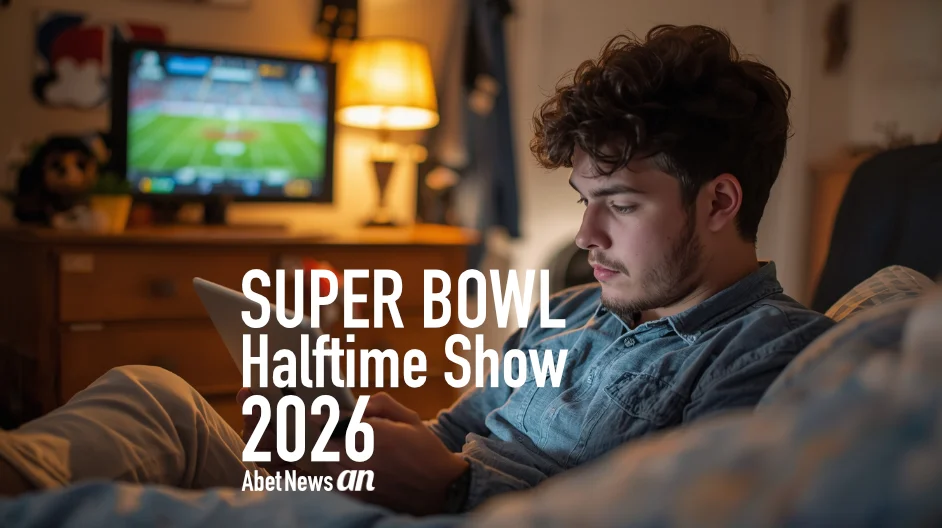
Super Bowl Halftime Show Pay: Why Artists Perform for Free in 2026
Super Bowl halftime performers reach more than 100 million viewers worldwide — yet most are paid little more than union minimums.
Instead of large performance fees, artists accept the show as one of the most powerful marketing platforms in entertainment.
With production costs exceeding $10–$20 million and sponsorship deals worth tens of millions annually, the halftime show has become a fascinating case study in modern exposure economics.
So who really profits from the Super Bowl halftime show — and why do artists still line up to perform?
Do Super Bowl Halftime Performers Get Paid?
Technically yes — but not in the way most fans expect.
Halftime artists typically receive only union-mandated minimum payments, which may amount to just over $1,000 for rehearsals and the performance itself. They do not receive a traditional performance fee.
The NFL covers:
• Travel and accommodations
• Technical production
• Crew logistics
• Stage construction and equipment
The real incentive is exposure — arguably the most valuable marketing opportunity in music.
How Much Does the Super Bowl Halftime Show Cost?
The NFL reportedly spends $10–$15 million or more on halftime production each year.
That budget supports:
• Custom stages built in minutes
• Stadium-scale lighting and sound design
• Special effects and pyrotechnics
• Complex choreography and large crews
Since becoming the title sponsor, Apple Music has reportedly paid around $50 million annually, helping fund production while turning the performance into a global marketing event.
Why Artists Perform for Free: The Massive Marketing Boost
Despite minimal pay, the halftime show often delivers immediate financial returns through streaming and sales spikes.
Examples include:
• Justin Timberlake (2018): 534% increase in music sales
• Maroon 5 (2019): 434% increase after the performance
• Rihanna (2023): Huge catalog streaming growth without releasing new music
For comparison, a 30-second Super Bowl commercial in 2026 costs up to $10 million.
Halftime performers receive roughly 12–15 minutes of uninterrupted global exposure.
When Artists Spend Their Own Money
Some performers invest additional funds to expand the spectacle.
The Weeknd reportedly contributed $7 million of his own money to enhance his 2021 halftime performance, aiming for a more cinematic production beyond the NFL’s core budget.
The move helped amplify streaming numbers and strengthen his global brand recognition.
Who Really Benefits From the Halftime Show?
The halftime show creates value across multiple industries:
The NFL gains one of the most talked-about entertainment moments of the year.
Sponsors and tech platforms receive massive brand visibility and streaming engagement.
Artists gain global exposure — though the biggest benefits typically go to already established superstars.
Critics argue that the system reflects a broader shift in entertainment, where artists increasingly trade traditional pay for visibility and long-term brand growth.
Is the Halftime Show Still Worth It Today?
In the streaming era, where audiences are fragmented and viral moments are short-lived, the Super Bowl remains one of the few shared cultural experiences.
For artists with large catalogs and strong fan bases, the halftime show can generate:
• Massive streaming surges
• Renewed chart success
• Increased touring demand
• Long-term brand partnerships
But the model also raises questions about power dynamics between leagues, tech platforms, and creators.

The Bottom Line
The Super Bowl halftime show isn’t a traditional paid gig — it’s a high-stakes marketing investment.
With production budgets exceeding $20 million, sponsorship deals worth tens of millions, and exposure that rivals billion-dollar advertising campaigns, the halftime stage remains one of the most powerful — and controversial — platforms in entertainment.
For the right artist, the payoff can be enormous.
For everyone else, it reveals how modern fame is increasingly built on visibility rather than direct compensation.
David Frein
Abet News | February 8, 2026
Related Posts







One comment on Super Bowl Halftime Show 2026
How much does Apple Music make to spend 50 million on advertising? And why can’t artists make a living from music streams?