Is the Music Industry Broken?
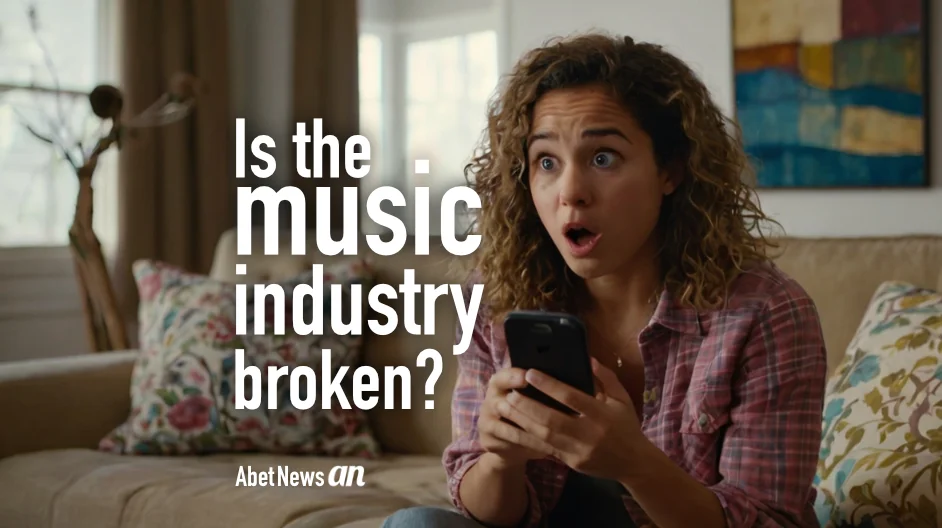
Is the Music Industry Losing the Trust of Its Artists?
For more than a decade, streaming numbers have served as the music industry’s primary measure of success. But as questions mount about fake streams, algorithmic manipulation, and unverifiable metrics, a growing number of artists and insiders say the numbers no longer reflect reality.
Their concern is simple: if the data can be gamed, how much of it can be trusted?
A System Built for Good Faith — Now Facing Bad Actors
Streaming platforms were originally designed around a straightforward assumption:
one person, one device, one intentional play.
That assumption no longer holds.
Industry analysts point to a range of practices that distort listening data:
• Bot and click farms generating automated plays
• AI‑generated catalogs optimized for looping
• “Ghost artists” populating playlists with low‑cost filler tracks
• Paid playlist placements that appear organic but aren’t disclosed as such
The result is a metric that reflects play events, not necessarily human engagement.
When platforms report “billions of streams,” they are reporting numbers filtered through internal rules — rules the public cannot independently verify.
Platforms as Both Referee and Reporter
A central tension is that streaming companies are responsible for detecting fraud, defining what counts as fraud, and reporting how much of it they remove.
There is no independent audit standard comparable to those used in finance or advertising.
This means the public must rely on the platforms’ own assessments of their integrity.
When companies say:
• “We removed fake streams,”
• “Fraud is minimal,” or
• “AI‑generated music is under control,”
They are effectively grading their own homework.
This doesn’t imply wrongdoing — but it does highlight a structural conflict of interest.
The Disconnect Between Numbers and Reality
Historically, music consumption was measured through signals that were difficult to fabricate:
• Radio spins reflected editorial decisions
• Album sales represented real financial transactions
• Concert attendance required physical presence
Today, those signals have been replaced by metrics that can be influenced — or outright manipulated — at scale.
Artists describe a widening gap between the numbers they see online and the realities of their careers:
• High streaming counts paired with low payouts
• Viral moments that don’t translate to ticket sales
• Chart success that doesn’t align with cultural visibility
This disconnect has fueled skepticism across the industry.
Inside the Artist Perspective
In conversations with Abet News, many working musicians expressed frustration with the current landscape.
Common themes include:
• Feeling invisible if they don’t conform to platform algorithms
• Doubting award criteria tied to streaming‑based “impact”
• Questioning whether the data reflects genuine audience interest
One sentiment surfaced repeatedly:
“If this many people are listening, why doesn’t it show up in my life?”
For many, the issue is not jealousy — it’s the math.
What Still Signals Real Demand?
As trust in streaming metrics erodes, industry observers point to indicators that remain harder to manipulate:
• Ticket sales and repeat attendance
• Long‑term catalog listening rather than short‑term spikes
• Influence on peers and emerging artists
These forms of engagement grow more slowly — but they tend to reflect genuine audience connection.
A Transition Without a Clear Replacement
The music industry is entering a period where:
• Metrics appear authoritative
• Confidence in those metrics is declining
• Institutions have not adapted to the new reality
In the absence of trusted indicators, audiences and artists often default to cynicism (“everything is fake”) or nostalgia (“music used to be real”).
Neither fully captures the complexity of the moment.
What is clear is that the industry prioritized scale long before it prioritized transparency.

What Comes Next?
This is not the end of human creativity or musical innovation.
But it may be the end of:
• Metrics as a proxy for meaning
• Charts as a reflection of consensus
• Awards as universal validators
As the old signals lose credibility, the industry faces a fundamental question:
How do we measure cultural impact when the numbers themselves are in doubt?
For now, artists and audiences alike are searching for new ways to understand what resonates — and why.
Petra Lugar
Abet News | February 3, 2026
Related Posts

#AbetNews, #AIMusic, #Algorithm, #Analysis, #Article, #DigitalMusicFraud, #Industry, #IndustryImpact, #MusicIndustry, #MusicIndustryAccountability, #MusicRoyalties, #MusicStreaming, #MusicStreamingFraud, #PetraLugar, #Radio, #Streaming, #StreamingBots, #StreamingPlatformScams, #TechInMusic, #TechNews
Apple TV+
JMI Construction