
Streaming Didn’t Lose Users to Piracy. It Lost Them to Greed.
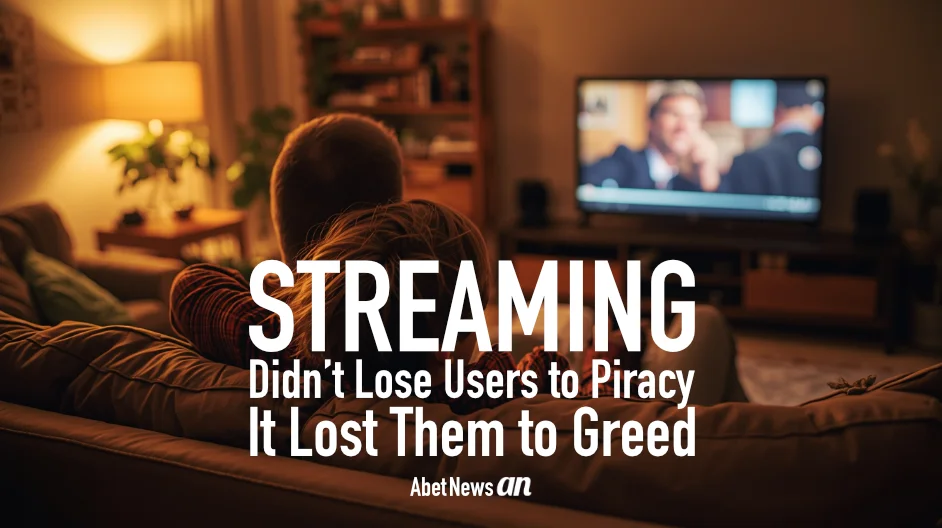
Streaming was supposed to be the cure for everything cable got wrong.
No ads.
One monthly price.
Instant access to movies and shows, anytime.
That promise is quietly disappearing — and viewers are noticing.
Across Netflix, Amazon Prime Video, and other major platforms, prices are rising, ads are creeping in, and content is increasingly fragmented. What once felt like freedom now feels like friction.
And when people feel cornered, they adapt.
The Streaming Experience Is Getting Worse — Not Better
The biggest frustration for viewers isn’t piracy.
It’s paying more and getting less.
Today’s streaming landscape often includes:
• Ads on paid subscriptions
• Multiple platforms needed to follow a single franchise
• Sudden content removals without notice
• Features locked behind higher-priced tiers
Instead of improving the experience, platforms are optimizing for extraction — squeezing more value from users without adding corresponding benefit.
This shift is driving subscription fatigue across all age groups.
Why Piracy Keeps Coming Back
Piracy didn’t suddenly become appealing again.
It never left.
It resurfaces whenever legal options become:
• Too expensive
• Too complicated
• Too time-consuming
Historically, piracy declines when access is simple and fair. Spotify demonstrated this in music. Early Netflix did the same for film and television.
The lesson was clear: convenience beats enforcement.
Ads Changed the Relationship
Ads didn’t just change pricing — they changed expectations.
Streaming won because it wasn’t cable.
Now it increasingly resembles cable, but without the transparency.
For many users, paying to watch ads feels like a broken agreement. It’s not about affordability; it’s about trust.
Once that trust erodes, loyalty follows.
Enforcement Won’t Fix This
Password crackdowns, stricter DRM, and takedowns won’t restore goodwill.
You can’t regulate people into enjoying a product.
The real damage isn’t cancellations — it’s indifference:
• Viewers rotate subscriptions instead of committing
• Exclusive releases lose urgency
• Platforms become interchangeable
Habit built streaming. Apathy is unbuilding it.
What Viewers Actually Want
Despite industry narratives, most people aren’t asking for free content.
They want:
• One clear price
• No ads
• Stable libraries
• Respect for their time
These aren’t radical demands. They’re the same principles that made streaming successful in the first place.
A Choice Still Exists
Streaming platforms aren’t powerless. They own the studios, the catalogs, and the infrastructure.
But they don’t own public sentiment.
They can either:
• Rebuild trust and simplify the experience
• Or continue extracting value until viewers quietly disengage
Piracy didn’t create this moment.
The industry did.
Amy H.
Abet News | February 6, 2026
Related Posts







2 comments on Streaming Didn’t Lose Users to Piracy. It Lost Them to Greed.
I know piracy is bad, but paying for subscription and watching ads it’s even worse. I use to enjoy Amazon Prime Video, now I can’t stand it.
You’re not alone.