When Did Apple Lose the Integrity of the App Store?
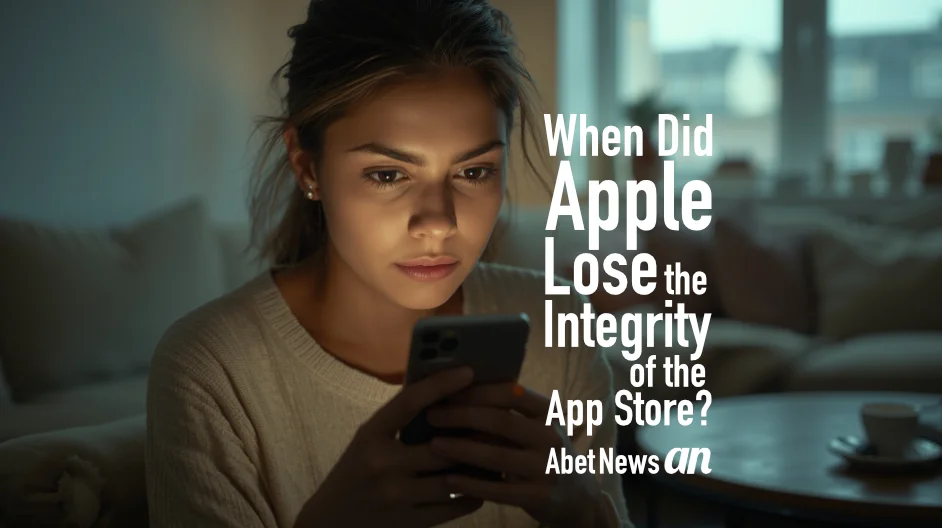
For more than a decade, the Apple App Store has been the gateway between iPhone users and the software that powers their devices. Promoted as a safe, trustworthy marketplace, it’s built on the promise that ratings and reviews reflect genuine user experiences. Yet over the years, cracks have begun to show in that promise — and for some users, the integrity of the App Store feels compromised.
The problem isn’t new, and it isn’t simple. While there was no single moment when Apple “lost” control of its review system, the gradual erosion of trust can be traced through years of fake ratings, manipulated rankings, and a growing perception that the playing field is no longer level.
A Timeline of Trust Erosion
Fake reviews aren’t unique to Apple. From e-commerce to video games, rating systems have long been targets for manipulation. But for the App Store — where an app’s star rating can determine its success or failure — the stakes are higher.
• 2012–2015: Developers begin quietly reporting “review farms” — paid networks that flood apps with 5-star ratings in exchange for fees. Apple occasionally removes apps caught in the act, but rarely discloses details.
• 2016–2018: High-profile investigations reveal entire industries built on selling App Store ratings, prompting Apple to adjust algorithms and introduce more aggressive spam filtering.
• 2019–2021: Users and developers note suspicious review spikes for certain apps, with hundreds of glowing ratings appearing overnight — often in broken English or using repetitive phrasing.
• 2022–Present: Apple continues to publicly commit to fighting review fraud, but anecdotal reports suggest manipulation remains common, especially in competitive categories like VPNs, finance, and dating apps.
How Fake Reviews Work
The playbook is straightforward: flood the store with glowing 5-star reviews to bury genuine negative feedback. This not only pushes the app higher in rankings but also shapes user perception before they even download it. Many fraudulent reviews are written by bots or low-paid contractors overseas.
Apple’s official stance is that it uses a combination of human moderation and machine learning to identify and remove inauthentic ratings. And in fairness, the company has taken down millions of fake reviews over the years. Yet the very fact that such large-scale removal is needed shows how persistent the problem remains.
The Bias Question
Some users have voiced a more serious concern: that negative reviews of apps linked to Apple through investments or partnerships are less likely to appear in the App Store. These claims have surfaced in online forums, social media threads, and developer communities, but remain anecdotal — no independent investigation has confirmed a systematic pattern. Still, the perception alone raises important questions about transparency and potential conflicts of interest. If the platform owner also holds a stake in certain apps, how can users be sure every review is treated equally? Apple has stated that its moderation process is designed to filter out spam, offensive language, or irrelevant content — not unfavorable opinions — yet the debate underscores the fragile trust that underpins the App Store’s ratings system.
Why It Matters
For developers, the integrity of the App Store isn’t just about fairness — it’s about survival. An honest review system allows smaller, high-quality apps to compete with giants. For users, it’s about trust: believing that the “4.9 stars” you see reflects real-world experiences, not clever manipulation.
Once trust erodes, restoring it is far harder than maintaining it. The App Store remains the largest, most profitable mobile app marketplace in the world, but its credibility is one of its most valuable assets — and it’s not something Apple can afford to lose.

Can the Trust Be Restored?
Apple’s challenge is twofold: stopping fraudulent activity and making the process transparent enough that users believe in it again. This could mean publishing regular transparency reports about review removals, disclosing potential conflicts of interest, and making moderation policies clearer to both developers and consumers.
Until then, the App Store will continue to be a paradox — a marketplace that revolutionized software distribution, yet struggles with the same trust problems as any other online platform. Whether Apple can fully repair its review system’s reputation remains an open question.
Amy H.
Abet News | August 12, 2025
Related Posts



#AbetNews, #AmyH, #Apple, #AppleAppStoreIntegrity, #AppleFakeRatings, #AppleInvestorConflict, #AppleReviewManipulation, #AppleReviewModeration, #AppStore, #AppStoreBiasClaims, #AppStoreTransparency, #AppStoreTrustIssues, #Article, #FakeAppStoreReviews, #Industry, #IndustryImpact, #iOSAppReviewSystem, #News, #Tech, #TechNews
Apple TV+
JMI Construction