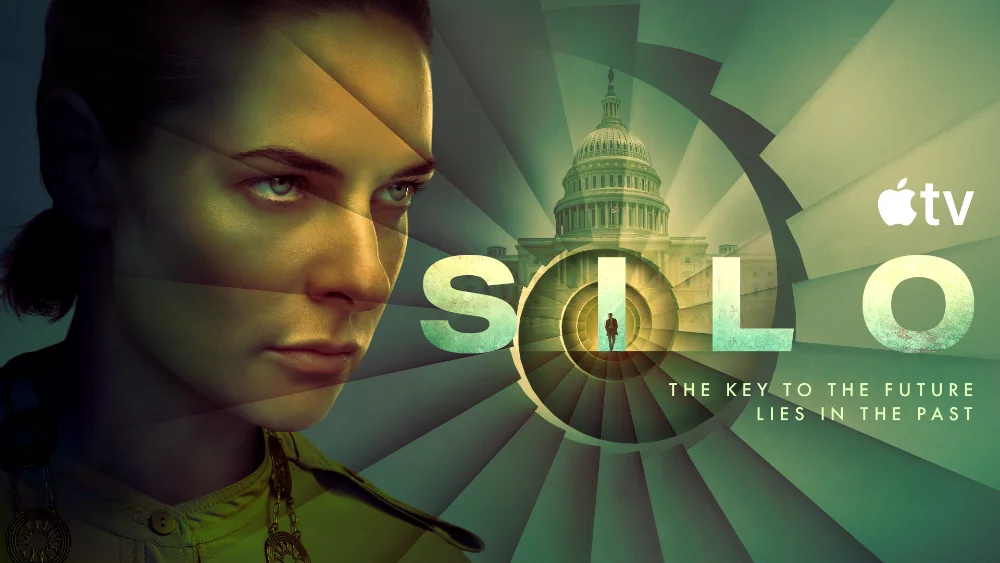
🎬 Silo Season 3: Waiting at the Edge of the Truth

There are shows you watch—and then there are shows you wait for.
Silo has quietly become the latter.
As Season 3 approaches, the feeling isn’t just excitement. It’s tension. The kind that builds when a story has spent years holding back answers—and now, finally, seems ready to reveal them.
For fans, this isn’t just another season. It’s the beginning of the end.
Abet News · April 25, 2026
The Moment We’re Entering

When Apple TV+ confirmed Season 3 for a July 2026 premiere, it also made something else clear:
this chapter is part of a planned conclusion, with Season 4 set to close the story.
That changes everything.
What began as a slow-burn mystery inside a sealed underground world is now moving toward resolution. The questions that defined Silo—about control, truth, and survival—are no longer distant. They’re imminent.
What We Know — No Speculation, Just Facts
Season 3 is set to expand the world of Silo in meaningful, confirmed ways:
• A dual timeline structure will unfold, shifting between the present and the so-called “Before Times.”
• The story will explore the origins of the silos, a mystery that has lingered since the beginning.
• Juliette Nichols, played by Rebecca Ferguson, returns after surviving outside—but with memory loss, altering her role in the narrative.
• New characters will introduce deeper layers of conspiracy tied to the world’s collapse.
None of this is rumor. It’s the framework of a story that is no longer just asking questions—but beginning to answer them.
Where Silo Stands Among Apple Originals
In the growing library of Apple TV+ originals, Silo occupies a very specific space.
It’s not the loudest show. It doesn’t dominate headlines in the way that
Severance often does.
But it has steadily become one of the platform’s core prestige sci-fi titles, frequently mentioned alongside
For All Mankind.
Critically, it’s been described as one of the strongest sci-fi series currently in production.
In terms of audience traction, it has appeared on Nielsen streaming charts, a notable achievement given Apple’s relatively smaller subscriber base compared to competitors.
The takeaway is simple:
Silo may not be the biggest show on Apple TV+, but it is undeniably one of its most important.
Why This Season Feels Different
There’s a shift happening.
For two seasons, Silo built its world carefully—layer by layer, secret by secret. It asked viewers to sit with uncertainty. To accept that answers would come slowly, if at all.
Season 3 changes that dynamic.
This is where mythology expands.
Where hidden history surfaces.
Where the story moves from containment to revelation.
The Fan Perspective: Why We’re Still Here
The reason Silo works isn’t just its concept. It’s the restraint.
It trusts the audience.
It rewards patience.
And it understands that mystery isn’t about confusion—it’s about timing.
Waiting for Season 3 feels like standing at the edge of something long buried. Not just hoping for answers—but knowing they’re finally within reach.
👉 Silo Seasons 1 & 2 | Apple TV | Start watching
By the time Season 3 premieres, Silo won’t just be continuing its story—it will be redefining it.
For fans, the anticipation isn’t about what might happen.
It’s about what’s been hidden all along—and what it will mean when the truth finally comes into view.
Amy H.
© 2026 Abet News. All rights reserved.
Related Posts



Apple TV+
JMI Construction