
AI Music On The Charts
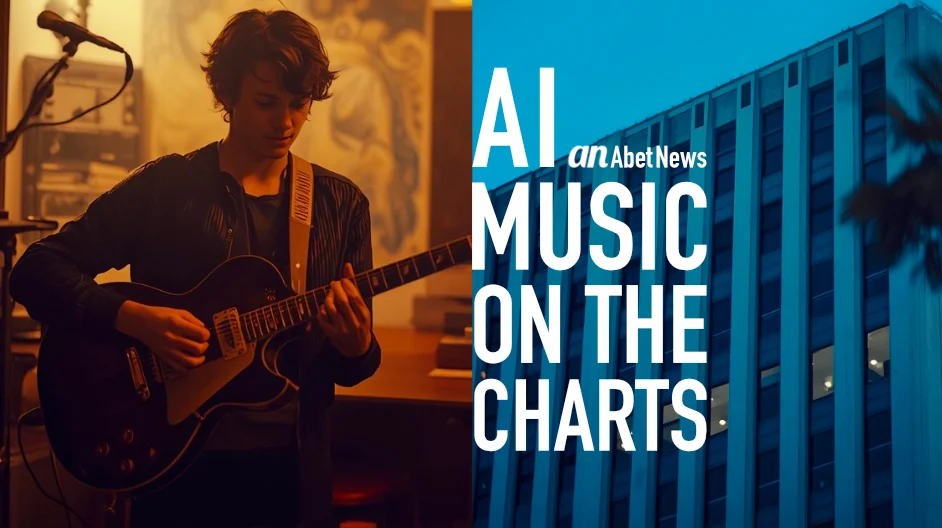
Can the Music Industry Define Creativity Without Limiting It?
ABET NEWS · MUSIC INDUSTRY | AI MUSIC · JULY 31, 2026
The music industry has been asking a single question:
How should artificial intelligence fit into music?
Now, that conversation has reached one of the industry’s most visible stages—the music charts.
A coalition that includes Universal Music Group, Sony Music Entertainment, Warner Music Group, Believe, BMG, Concord, HYBE, and other music companies has proposed a new framework for determining whether AI-assisted recordings should qualify for official chart rankings. Their recommendations focus on transparency, human creativity, legal use of AI technologies, and protecting the charts from fraud.
At first glance, the proposal seems straightforward. Most music fans would agree that artists deserve protection from impersonation, unauthorized use of their voices, and artificial streaming schemes designed to manipulate chart positions.
Yet beneath those goals lies a much larger question:
What does it actually mean to create music in the age of artificial intelligence?
AI Is No Longer the Story—Creativity Is
Artificial intelligence is no longer an experiment reserved for technology companies.
Songwriters use AI to organize ideas.
Producers use AI to remove background noise, separate instrument tracks, master recordings, and generate creative suggestions.
Musicians have embraced software innovations for decades. Digital audio workstations replaced tape. Sampling transformed hip-hop. Drum machines became staples of pop music. Auto-Tune evolved from a corrective tool into a recognizable artistic style.
History shows that musicians rarely reject technology forever. Instead, they redefine how technology serves creativity.
AI appears to be following the same path.
The real debate is no longer whether AI belongs in music.
The debate is about where the artist ends and the machine begins.
Transparency Builds Trust
One of the strongest ideas within the proposed framework is transparency.
Listeners deserve to know whether a recording is:
• entirely human-created,
• created with AI assistance,
• or primarily generated by artificial intelligence.
Providing this information does not diminish creativity.
Instead, it helps audiences understand the creative process behind the music they enjoy.
Photography, film, and digital art already acknowledge the tools used during production. Music may simply be entering the same era of openness.
Transparency also protects artists who proudly choose to create without AI while allowing others to experiment with new technologies without hiding their methods.
Fraud Is Not Innovation
There is an important distinction between creative assistance and deception.
Using AI as an instrument is very different from generating fake artists, or manipulating streaming numbers with automated systems.
Those practices are not artistic innovations.
They undermine trust throughout the music ecosystem.
If chart eligibility rules help discourage fraud while preserving legitimate artistic experimentation, they could strengthen confidence in the charts rather than weaken it.
Independent Artists Should Not Be Forgotten
Large record companies have legal departments, compliance specialists, metadata experts, and technical resources.
Independent musicians often work alone.
As AI policies become more sophisticated, there is a risk that compliance itself becomes another barrier to creativity.
The future of music should not favor artists simply because they have larger administrative teams.
Rules should protect creators without making participation unnecessarily complicated for independent musicians who already face significant challenges competing in the digital marketplace.
The Future May Need New Categories
Perhaps the answer is not forcing every recording into a single definition.
Instead, the industry could recognize different forms of creative work.
Human-created recordings would remain traditional performances.
AI-assisted recordings would recognize projects where people remain the primary creative force while using artificial intelligence as another production tool.
AI-generated recordings would identify works where machines perform most of the creative process.
Such distinctions would provide listeners with valuable context without automatically diminishing any category.
Consumers could decide what they value most.
The Charts Should Reflect People
Music charts have always represented something larger than sales figures or streaming totals.
They reflect the songs that connect with listeners.
That purpose should not change.
Rules are necessary to discourage fraud and protect artists’ rights.
However, creativity has never been easy to measure.
If chart eligibility becomes too subjective, the charts risk shifting from measuring public enthusiasm to measuring compliance with evolving definitions of artistry.
Finding the right balance will require careful judgment.
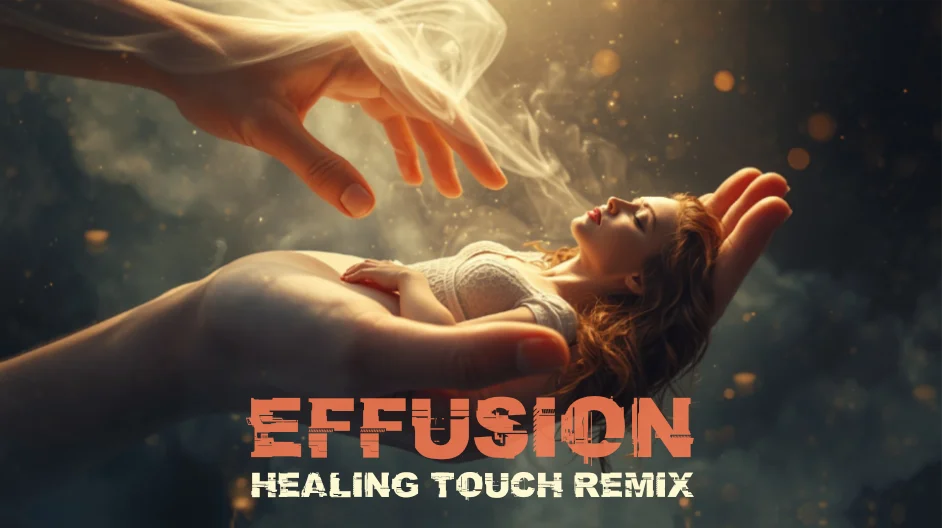
Some things cannot be automated. A kind word. A warm embrace. A healing touch.
Effusion – Healing Touch Remix, featuring Tamar (Clean)
Artificial intelligence could end up replacing creativity.
With a few clicks, AI can generate a complete song. It’s a shift not unlike the one photography underwent — we no longer need to understand how a camera works to capture a perfect picture; we simply click.
AI is changing the tools creators use, just as past technologies changed how music is made.
As the music industry develops new standards for AI, it should remember this continuity — but also hold onto what doesn’t change: human imagination is what gives music its lasting meaning.
The challenge ahead isn’t stopping the technology. It’s ensuring that, no matter how advanced AI becomes, the charts continue to celebrate the people whose ideas, emotions, and artistry are what the world actually falls in love with.
Amy H.
© 2026 Abet News. All rights reserved.
Related Posts






One comment on AI Music On The Charts
Australia is leading the way by banning entirely AI-generated songs from its official music charts. I believe other countries should follow suit.